
EU import compliance for metal parts looks like a paperwork problem, and it is really a responsibility problem. The customs declaration, the duty and the import VAT all belong to one party. That party is the importer of record. Every other question follows from who holds that role.
| Question | Who answers it | Where the official answer lives |
| Which tariff line applies to these parts. | The importer, using the supplier’s part data. | The EU tariff database. |
| How much duty and import VAT is due. | The importer, at declaration. | The EU tariff database, at the date of entry. |
| Whether a permit, licence or restriction applies. | The importer, before the goods move. | The EU trade information service. |
| Whether the material meets chemical rules. | Shared. We supply the material data, you file it. | The EU chemical rules pages. |
| Whether a preference claim is valid. | You make the claim. | The EU rules-of-origin tool. |
The importer of record is a person, not a form
Someone in your company carries the legal duty to declare the goods correctly. That person is the importer of record, and the customs authority addresses every question to that party. However, the role is not a title on a form. It is a liability that survives the shipment.
Therefore the role decides three things at once. It decides who files the entry, who owes the duty and the import VAT, and who answers if the entry is wrong later. In practice, teams discover this only when a correction arrives.
What the supplier can hand over, and what it cannot
First, we can give you the facts about the goods. Those facts include the material grade, the process, the drawing revision, the surface treatment and the part weight. They include the country where the parts were made, because that drives origin.
Next, we can give you the documents that support those facts. In addition, a commercial invoice, a packing list, a material certificate and a declaration of conformity all start on our side. Furthermore, we can describe the goods precisely enough for a broker to classify them.
However, we cannot file your customs declaration. We cannot act as your importer of record, and we cannot decide your tariff line for you. That limit is not a service gap. It follows from the law, because the declaration has to come from a party established in the customs territory or from a representative acting for one.
EORI, the identifier that unlocks the process
Before anything moves, you need an EORI number. It identifies you to the customs authorities across the EU, and no declaration proceeds without one. If you are established outside the customs territory, you will normally appoint a representative who holds one.
Ideally you apply for it before the first order. Then the identifier is ready when the goods are, and the shipment does not wait on an administrative step. The European Commission’s import and export information service sets out the requirement. The customs authority that issues your number will also confirm that it is valid.
Where the tariff answer actually comes from
In short, duty is not a single number that a supplier can quote once and forget. The applicable rate depends on the tariff line, the origin, the value and any measure in force on the day of entry. Therefore we do not publish rates at all. Instead we point you to the EU tariff database, which does.
In addition, that database is updated continuously. So the only answer worth acting on is the one you pull at the date of declaration, from the official source. Your broker does this as routine work, and you can check it yourself for nothing.
Chemical and material rules attach to the product
Two EU regimes reach metal parts more often than teams expect. The first, RoHS, restricts hazardous substances in electrical and electronic equipment, and it applies when the part carries an electrical or electronic function. The second, REACH, governs chemicals and can require information to travel through the supply chain.
In short, a plain bracket usually sits outside the first regime and inside the second one only when a substance of concern is present above the threshold. That distinction is worth settling at quotation, not at the border.
How we keep our half clean
We keep the invoice description aligned with the drawing revision. We state the material standard and the finish, because both feed the classification and the chemical file. Additionally, we keep the same wording across repeat shipments, so your broker sees a stable description rather than a new one each time.
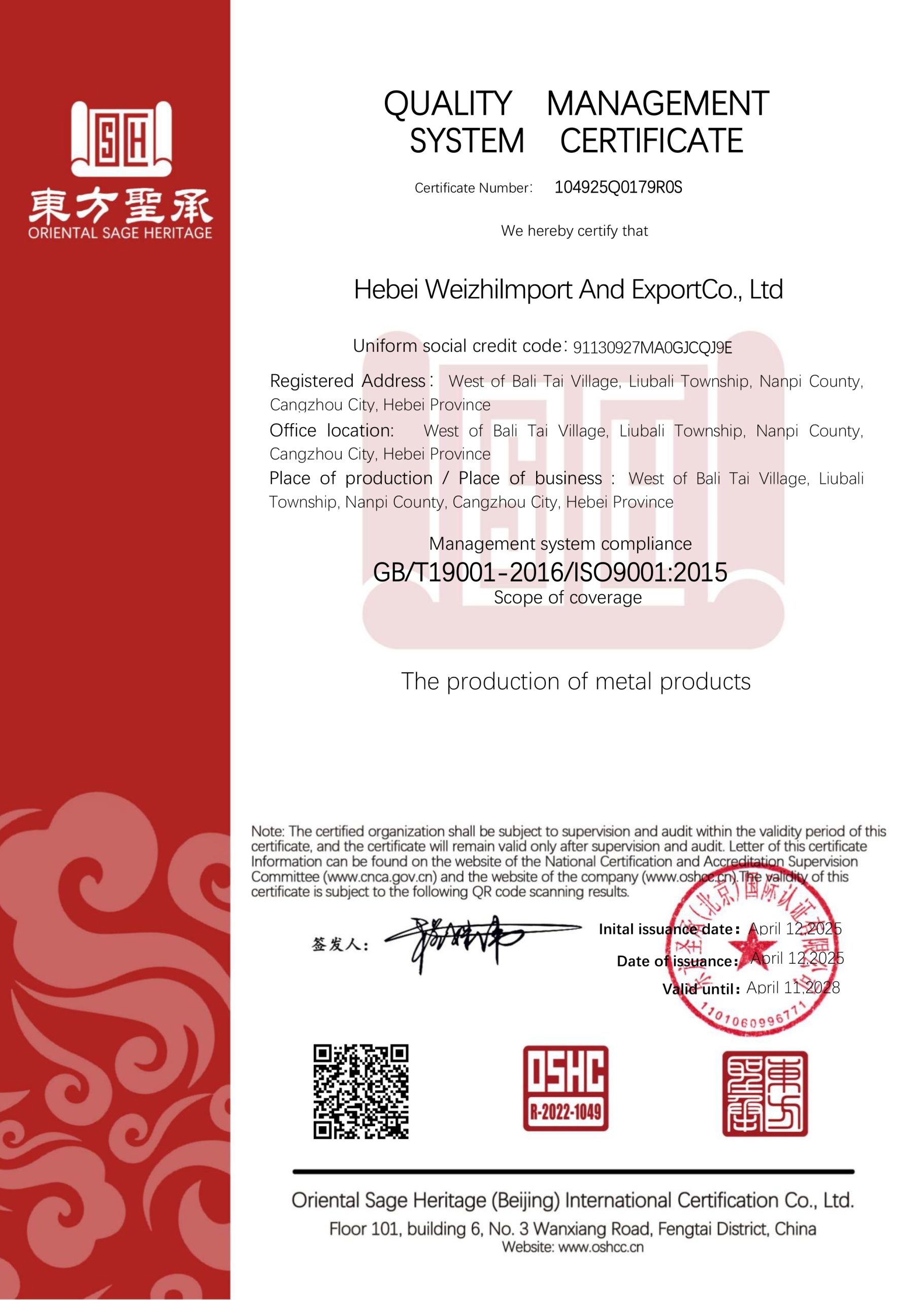
Finally, our quality management system is certified to ISO 9001:2015, and the certificate is held by our own legal entity. You can verify it against the issuing body, which is exactly what an auditor will do. You can also review our documents behind EU import compliance on the dedicated page.
Frequently asked questions
These are the questions EU buyers ask most often about this split of duties.
Can my supplier be the importer of record?
Only if that supplier is established in the customs territory, or appoints a representative who is. Otherwise the declaration has no valid party behind it. This is the practical reason a supplier cannot simply absorb the role.
Do I need an EORI number before I order?
You need one before the goods are declared. However, applying early removes a step from the critical path. The identifier is issued by the customs authority of the member state where you are established.
Is the duty the same for every EU country?
The tariff measure is common across the customs union, so the classification and the duty rate travel with the goods. The import VAT rate does vary by member state, and the declaration is filed in the country of entry.
What does the supplier’s ISO 9001 certificate prove here?
It supports the quality half of the file, and it shows the management system behind the parts. It does not prove origin, classification or payment of duty. Those stay with the importer.