
A sheet metal enclosure is a protective housing built from cut, bent and welded metal. It shields electronics, machinery and cabling from the environment. Our full-process factory in Nanpi, Hebei, builds enclosures from a drawing or from a brief. Some reach a working sample in 72 hours, with no sample charge. This guide covers the four design questions, the materials and the fabrication steps. Use it to spec your enclosure before the first call. The whole chain, under one roof, is in our full-process metal fabrication service.
What an Enclosure Must Do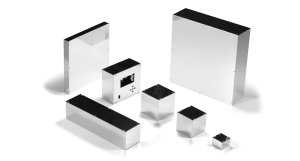
- Weather: keep water and dust out to the required rating.
- Mechanical: take handling, vibration and impact without warping.
- Electrical: shield, ground and cool what lives inside.
- Service: open, wire, inspect and close without tools you do not have.
Write those four lines into your drawing notes. They are the spec the factory prices. An enclosure without them is a box. An enclosure with them is a component. Treat a sheet metal enclosure as a component, not an accessory, and the design reviews get faster.
Materials
| Material | Best for | Typical finish |
|---|---|---|
| Mild steel | Indoor and general outdoor, cost first | Powder coating |
| Stainless steel | Corrosive, washdown or food-contact exposure | Brushed or passivated |
| Aluminum | Lightweight, EMI-heavy, coastal air | Anodized or powder coated |
The cost order: steel below aluminum, stainless above both. Corrosion flips the order fast. For the grades we cut and form, read our post on corrosion-resistant stainless steel parts. State the material on the drawing; we confirm the stock grade and the mill.
Protection Ratings: IP Codes
The IP code is two digits: dust, then water. IP54 stops dust entry and splashes. IP65 stops dust and low-pressure jets from any direction. Outdoor enclosures usually specify IP65. The rating comes from the gaps, the gaskets and the seams. Ventilation is the classic conflict: air in means water in. Solutions: filtered vents, heat sinks through the wall, or a fan with a membrane. Decide the rating and the cooling path together, in the design review, not after the sample.
EMI, Grounding and Sealing
- Conductive gaskets close the EMI path at every seam.
- One ground point per assembly, defined on the drawing.
- Cable entries use glands rated to the IP code.
- Paint breaks at touch points keep the ground honest.
These details cost nothing in material. They cost everything in field failure. An enclosure that passes the lab and fails the job site almost always failed at the seams. We check the seams on every unit, before packing. The frame joints behind these seams are in our custom metal welding work, fixture-held and measured.
The Fabrication Steps
- Laser cut: panels to the flat pattern, edges clean.
- Bend: flanges and rails on the press brake, angle checked.
- Weld: corner and rail joints, fixture held.
- Finish: clean, treat, coat or anodize.
- Assemble: gaskets, glands, hinges, fasteners, ground points.
Every step runs in our factory, so the part walks between steps. It does not ship between vendors. One owner answers when a dimension is wrong. The bend program behind step two is the same discipline as our custom metal bending service. The enclosure is that service applied to a housing.
Finishes and Surface Treatment
- Powder coating: the outdoor workhorse, color matched.
- Brushed stainless: the visible-equipment standard.
- Anodized aluminum: light, sealed, consistent.
- Passivation: bare stainless that will meet food contact.
Name the finish and the color standard on the drawing. “Black” is a family, not a finish. We match to your sample or code, and we check the coating thickness at QC. The coating is part of the part, with its own tolerance.
Spec Your Enclosure
- Outer dimensions and mounting: wall, floor, DIN rail or chassis.
- IP rating and the cooling path that keeps it.
- Material and finish, with the color standard.
- Openings: glands, vents, hinges, windows, nameplate.
- Quantity per batch, and the year plan.
Five lines, one email. We reply with a drawing check, a route and a price. If you hold a photo and not a drawing, send the photo. We name what is missing before you redraw anything.
Quality Checks Before Packing
- Flatness and squareness on the bare frame.
- Bend angle on sample panels.
- Coating thickness on finished units.
- Seam and gasket inspection on every unit.
- IP spot test on the agreed sample count.
The checks and the tools are on our quality control page, with the records. Enclosures fail at the seams more than anywhere. So the seam check is the last gate, on every unit, not a sample. That is how a sheet metal enclosure earns its place in your product.
Frequently Asked Questions
What is a sheet metal enclosure?
A housing cut, bent and welded from sheet metal. It protects electronics or machinery from dust, water, impact and handling. It is built to a drawing or a brief.
Which material is best for an outdoor enclosure?
Stainless for harsh or coastal air. Powder-coated steel where cost leads. Aluminum for weight and EMI. The environment decides; the budget refines.
Can you build an IP65 enclosure?
Yes. The rating comes from seams, gaskets and gland choices. We confirm the rating on the sample, with the test, before the run.
What is the minimum order for custom enclosures?
It starts at single units, made by laser and bend. Volume moves the route to stamping or deeper forming. The quote names the break point.
How long does an enclosure take?
A sample in days; our 72-hour program covers qualifying parts. A batch follows the quantity and the finish. The date plan is in the quote.
Start Your Enclosure
Send your drawing or brief — a sample in days.
WhatsApp: +86 131 1007 5546 | Email: claire@hbweizhi.cn
Or contact us online.