
The sheet metal material choice sets cost, weight and service life. Three materials cover most custom parts: mild steel, stainless steel and aluminum. Here is how to choose between them.
Quick Comparison
When to Choose Mild Steel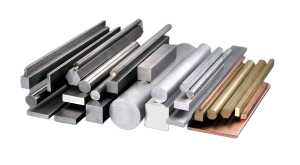
- Indoor structural parts: brackets, frames, tool bodies
- Parts that will be coated or painted anyway
- Highest strength per dollar is the goal
- High-tonnage stamping: steel takes the die well
When to Choose Stainless
- Outdoor or wet service
- Medical, food and marine parts
- Parts that cannot be re-coated in the field
- Corrosion resistance that must outlive the part
When to Choose Aluminum
- Weight is a design driver
- Electronics, lighting and transport parts
- Parts that must not be magnetic (confirm the grade with us)
- Good thermal conductivity is wanted
Matching Material to Process
Material selection is decided at drawing review, before any tooling. All three run through the same chain — laser cutting, stamping, bending, welding and finishing. So switching material never means switching supplier. Stainless and aluminum change die wear and welding method. We adjust the route, not the standard.
FAQ
Which material for outdoor parts? Stainless steel, or aluminum where weight matters. Mild steel outdoors needs a robust coating system.
Is 304 stainless worth the cost over mild steel? Yes where the part faces moisture, food, chemicals or long outdoor life. No where it is coated and stays indoor.
Can you weld aluminum sheet? Yes. Aluminum uses TIG and MIG methods different from steel welding. We set the method at drawing review.
What material do most custom parts use? Mild steel, because it balances strength, cost and stamping behavior. Stainless and aluminum cover the rest.
Act Immediately! Please Hand Over Your Project To Us!